

OBD-II Code P0172: System Too Rich (Bank 1)
The Ultimate 2026 Guide to Diagnosing and Fixing a Rich Fuel Condition
- P0172 indicates engine Bank 1 is running too rich, meaning the Engine Control Module has pulled fuel trims past -15% to compensate for excess fuel or restricted air.
- Clean your Mass Airflow (MAF) sensor with a $10 dedicated spray before replacing any parts, as a dirty MAF is the leading cause of this code.
- Do not replace the upstream oxygen (O2) sensor immediately; it is usually functioning correctly by reporting the rich condition caused by a leaking injector or bad MAF.
- Fix this code within 2 weeks to prevent unburned fuel from melting your catalytic converter, turning a $100 sensor repair into a $2,000 exhaust replacement.
What Does P0172 Mean?
Code P0172 means the Engine Control Module (ECM) detects too much gasoline and not enough air in Bank 1. Engines require a precise 14.7:1 air-to-fuel ratio. When excess fuel disrupts this balance, the system runs 'rich.' The ECM compensates by reducing injected fuel (a negative fuel trim). When forced to adjust beyond its programmed limit (typically -15% to -20%), it triggers P0172 and illuminates the check engine light.
Technical definition: The SAE/OBD-II definition for P0172 is "System Too Rich (Bank 1)." This indicates the Powertrain Control Module (PCM) has maxed out its long-term fuel trim (LTFT) rich compensation limit. The PCM has exhausted its ability to subtract fuel, signaling a definitive failure in fuel delivery, air intake, or sensor systems.
🎬 Watch: A complete overview of P0172 symptoms, causes, and fixes.Can I Drive With P0172?
Yes, but not recommended You can drive for a short period, but doing so risks severe damage. Excess fuel destroys your catalytic converter (a $1,500+ repair), dilutes engine oil causing premature wear, and fouls spark plugs. It is safe for an immediate trip to a repair shop (under 50 miles), but continued daily driving guarantees expensive secondary failures.
Common Causes
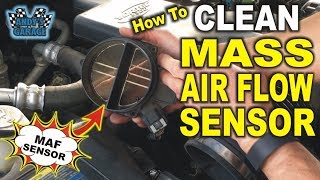
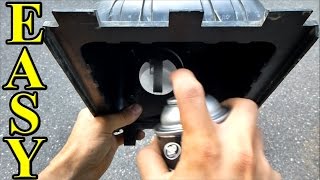
- Dirty or Faulty Mass Airflow (MAF) Sensor (Very Common) — The MAF sensor measures air entering the engine. A dirty sensor under-reports airflow, causing the computer to inject too much fuel. Cleaning it with dedicated MAF spray is the mandatory first diagnostic step. 🎬 See how to properly clean your MAF sensor in this video.
- Leaking Fuel Injector(s) (Common) — Fuel injectors stick partially open or develop bad seals, dripping uncommanded fuel into the cylinder. This directly causes a rich condition, highly noticeable at idle.
- Faulty Upstream Oxygen (O2) Sensor (Common) — The upstream O2 sensor measures exhaust oxygen. A failing sensor incorrectly reports a lean condition, prompting the ECM to dump excess fuel into the engine.
- High Fuel Pressure (Less Common) — A failed fuel pressure regulator or pinched return line forces excessively high system pressure, pushing more fuel through the injectors than commanded.
- Stuck Open EVAP Purge Valve or PCV Valve (Less Common) — A stuck-open EVAP purge valve allows fuel vapors from the charcoal canister to flood the engine at idle. A faulty PCV valve draws excessive oil/fuel vapors from the crankcase.
- Fuel-Contaminated Engine Oil (Less Common) — Frequent short trips in direct-injection (GDI) engines prevent full operating temperatures. Fuel seeps past piston rings, diluting the oil. The PCV system pulls this fuel-laden vapor into the intake.
- Clogged Air Filter or Restricted Intake (Less Common) — A severely clogged air filter or blocked intake snorkel restricts airflow, creating a fuel-heavy mixture.
- Faulty Engine Coolant Temperature (ECT) Sensor (Rare) — A faulty ECT sensor stuck reading 'cold' forces the ECM to continuously command a rich cold-start fuel mixture even after the engine warms up.
- Leaking High-Pressure Fuel Pump (HPFP) (Rare) — On direct-injection engines (notably BMW), the high-pressure fuel pump seal fails, leaking raw fuel directly into the crankcase and causing severe oil dilution.
Symptoms
- Check Engine Light is On — The ECM illuminates the MIL as soon as fuel trims exceed the programmed threshold.
- Poor Fuel Economy — Your vehicle consumes 5-15% more gasoline because excess, unburned fuel is pushed out the exhaust.
- Strong Smell of Fuel or Rotten Eggs — A raw gasoline smell indicates unburned fuel. A sulfurous 'rotten egg' odor confirms the catalytic converter is overheating and degrading.
- Black Smoke from Exhaust — Visible black smoke exiting the tailpipe confirms a severe rich condition creating soot from incomplete combustion.
- Rough Idle, Hesitation, or Stalling — The engine runs unevenly, shakes at a stop, or stalls completely due to the improper air-fuel mixture.
- Engine Oil Level Rising or Smells of Gas — The oil dipstick level rises and smells strongly of gasoline, confirming severe fuel dilution that destroys engine bearings.
Diagnostic Flowchart
Tap your situation to follow the diagnostic path that matches what you're seeing on this code.
Common Fixes & Costs
- Clean or Replace Mass Airflow (MAF) Sensor
— Parts: $10 (cleaner) - $300, Labor: $50 - $150, ~0.5 hr book time
(DIY)
General: OEM - Replace Upstream Oxygen (O2) Sensor
— Parts: $50 - $250, Labor: $100 - $200, ~1 hr book time
(Intermediate)
2018+ Toyota Camry 2.5L: OEM - Replace Leaking Fuel Injector(s)
— Parts: $100 (single) - $800 (full set), Labor: $200 - $600+, ~2.5 hr book time
(Professional)
2017-2022 Honda CR-V/Civic 1.5T: OEM - Replace Fuel Pressure Regulator
— Parts: $50 - $220, Labor: $100 - $250, ~1.5 hr book time
(Intermediate)
General: OEM - Change Engine Oil and Filter — Parts: $30 - $80, Labor: $20 - $50, ~0.3 hr book time (DIY)
Used vs. New Parts: Buying Guide
When a used part is worth it: Buy new electronic sensors (MAF, O2) from OEM or reputable aftermarket brands; used sensors offer zero lifespan guarantees. Professionally remanufactured fuel injectors with warranties are cost-effective alternatives to new. Avoid untested, externally cleaned 'used' injectors.
Donor-vehicle mileage cap: roughly under 60000 miles for the part to have meaningful remaining life.
Donor quality checklist:
- Verify the part number exactly; similar-looking parts fail to communicate with the ECM.
- For remanufactured injectors, demand a warranty and a flow-test data sheet.
- Reject any used electronic sensors.
Decision logic:
- If The part is an electronic sensor (MAF, O2). → Buy new from an OEM or reputable aftermarket brand (Bosch, Denso).
- If The part is a fuel injector and budget is tight. → Buy a professionally remanufactured injector with a warranty.
- If The vehicle has over 150k miles and you plan to keep it. → Invest in new OEM parts to ensure longevity and avoid repeat labor costs.
Warranty tradeoff: Salvage yard parts offer 30-90 day warranties. Aftermarket new parts offer 1-year to lifetime warranties. OEM parts guarantee exact fitment and baseline longevity.
Worst-case if a used part fails: 500-1000. A failed used part forces you to pay full labor costs twice, doubling the repair expense.
What Happens If You Wait — Timeline
- 0-2 weeks: Check Engine Light illuminates. Fuel trim values hit the edge of the acceptable range (-15% to -20%). (MPG impact: 0-5%% · Added cost: $0-25 in wasted fuel)
- 2 weeks - 3 months: Fuel economy drops noticeably. A faint smell of gasoline is present from the exhaust. Spark plugs begin accumulating soot. (MPG impact: 5-15%% · Added cost: $50-200 in wasted fuel)
- 3-6 months: Engine develops a rough idle, hesitation, or misfires. The catalytic converter overheats from unburned fuel, emitting a 'rotten egg' smell. (MPG impact: 10-20%% · Added cost: $1500+ (Catalytic converter replacement needed))
- 6+ months: Complete catalytic converter failure (P0420 code). Severe fuel dilution washes oil from cylinder walls, causing accelerated wear on engine bearings. (MPG impact: 20-30%% · Added cost: $2500-5000+ (Includes catalytic converter and engine rebuild))
Cost of Not Fixing It
- 0-1 Month: Fuel economy drops 5-15%. Exhaust smells strongly of raw fuel. Vehicle fails emissions testing. (Added cost: 50-150)
- 1-6 Months: Unburned fuel ignites inside the catalytic converter, causing it to overheat and degrade. Spark plugs foul with carbon, causing engine misfires. (Added cost: 1200-2800)
- 6+ Months: Catalytic converter fails completely (triggering P0420). Severe fuel dilution of engine oil accelerates wear on piston rings and bearings, requiring an engine rebuild. (Added cost: 2500-5000+)
Diagnosis Steps
- Read Codes, Freeze Frame, and Live Data
Use an OBD-II scanner to confirm P0172. Analyze Freeze Frame data for engine conditions when the code set. View live Short-Term (STFT) and Long-Term Fuel Trim (LTFT) for Bank 1. Highly negative values (e.g., LTFT at -15% or more) confirm the ECM is actively subtracting fuel.
Tools: OBD-II Scanner with Live Data (Beginner) - Clean the Mass Airflow (MAF) Sensor
Carefully remove the MAF sensor and spray the internal wires ONLY with dedicated MAF sensor cleaner. Do not touch the delicate components. Let it air dry completely before reinstalling.
Tools: Screwdriver/ratchet set, MAF sensor cleaner (Beginner) - Perform a Thorough Visual and Sensory Inspection
Check the engine air filter; replace if black or clogged. Inspect the air intake tube for blockages. Pull the oil dipstick and smell it for gasoline—a strong fuel smell confirms fuel dilution.
Tools: Flashlight, Basic hand tools (Beginner) - Analyze Fuel Trims at Different RPMs
Observe STFT and LTFT at idle, then hold the engine at 2500 RPM. If negative trims move closer to 0 at higher RPM, the issue is idle-specific (leaking injector, stuck EVAP purge valve). If trims worsen at higher RPM, suspect a MAF sensor or exhaust restriction.
Tools: OBD-II Scanner with Live Data (Intermediate) - [PRO TIP] Check MAF Sensor Reading in Grams/Second
Monitor the MAF sensor output in grams per second (g/s). A healthy engine's g/s reading at warm idle equals its displacement in liters (e.g., 2.5L engine = 2.5 g/s). Significantly lower readings confirm the MAF is under-reporting airflow.
Tools: Advanced OBD-II Scanner (Intermediate) - [PRO TIP] Test Oxygen Sensor Response
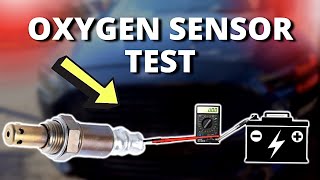
Watch upstream O2 sensor (Bank 1, Sensor 1) voltage on a live graph. It must fluctuate rapidly between 0.1V (lean) and 0.9V (rich). If stuck above 0.8V, force a vacuum leak; if voltage doesn't drop instantly, the sensor is dead.
Tools: OBD-II Scanner with Live Data Graphing (Advanced) - Inspect for Leaking Fuel Injectors
Perform a fuel pressure leak-down test: pressurize the fuel rail, turn the car off, and watch the gauge. A rapid pressure drop confirms a leaking injector. Listening to each injector with a stethoscope for a consistent 'click' is a secondary check.
Tools: Advanced scan tool, Fuel pressure gauge, Mechanic's stethoscope (Advanced) - Test Fuel Pressure
Connect a fuel pressure gauge to the rail test port. Compare to manufacturer specs (typically 45-55 PSI at idle). High pressure confirms a faulty regulator or restricted return line.
Tools: Fuel pressure gauge kit (Intermediate) - [ADVANCED] Test Engine Coolant Temperature (ECT) Sensor
With a cold engine (68°F), disconnect the ECT sensor and measure resistance (typically 2,200-3,500 Ohms). At operating temp (176°F), resistance must drop to 250-350 Ohms. Readings outside this range confirm a failed sensor.
Tools: Multimeter, Infrared thermometer (optional) (Advanced)
When This Code Triggers (Freeze-Frame Conditions)
- Engine Coolant Temp: 185-210°F (85-99°C) (The code sets when the engine is fully warmed up and operating in closed-loop fuel control.)
- RPM: 600-800 (Idle) or 1500-2500 (Cruise) (A rich condition at idle points to leaking injectors or a stuck purge valve. A rich condition at cruise points to MAF sensor issues.)
- Engine Load: 20-40% (The fault registers under light to moderate engine load during steady driving, rarely during heavy acceleration.)
- Long Term Fuel Trim (Bank 1): -15% to -25% (A highly negative value confirms the PCM was aggressively removing fuel when the fault logged.)
Related Codes
- P0175 — This is the identical 'System Too Rich' code for Bank 2. Seeing both P0172 and P0175 confirms a systemic issue affecting the entire engine, such as the MAF sensor, fuel pressure, or EVAP system.
- P0300-P0308 — These are misfire codes. A rich condition fouls spark plugs, causing misfires. Conversely, a dead misfire leaves unburned oxygen in the exhaust, tricking the O2 sensor into reporting a lean condition, which the ECM over-corrects into a rich state.
- P0420 — Catalyst System Efficiency Below Threshold. This is a severe consequence of P0172. Ignoring a rich condition allows raw fuel to melt the catalytic converter's internal structure, requiring a $1,500+ replacement.
- P044x (e.g., P0442, P0455) — EVAP system leak codes. A purge valve stuck open causes both an EVAP system fault and a rich condition at idle.
Climate & Environmental Factors
- Cold Weather & Short Trips: Frequent short drives prevent the engine from reaching full operating temperature. Unburned fuel seeps past piston rings and dilutes the engine oil. The PCV system ingests this fuel-laden vapor, creating a rich condition.
- High Altitude: Less dense air at high altitudes forces the ECU to work harder to compensate. This exposes marginal faults in MAF or O2 sensors, triggering P0172 where it would not at sea level.
How to Talk to a Mechanic About This Code
Say this: "I have a check engine light and my scanner shows a P0172 code, 'System Too Rich on Bank 1'. I'd like to schedule a diagnostic. Please start by analyzing the freeze frame and live data for fuel trims, O2 sensor readings, and MAF sensor data to find the root cause."
This signals you've done your research and request a data-driven diagnosis, steering the mechanic away from immediately replacing the O2 sensor.
Avoid saying:
- 'My check engine light is on, can you just fix it?' (Invites expensive guesswork).
- 'I think it's the oxygen sensor, can you replace it?' (You pay for the part whether it fixes the problem or not).
- 'Just do whatever you think is best.' (Gives a blank check for unnecessary repairs).
Questions to ask before authorizing the repair:
- What were the long-term and short-term fuel trim readings at idle and at 2500 RPM?
- Can you show me the freeze-frame data stored when the code set?
- If you recommend an O2 sensor, how did you determine it was faulty and not just reporting the rich condition correctly?
- What is the warranty on the parts and labor for this specific repair?
Where to Take It: Dealer vs Independent vs Chain
- Dealer:
Best for: Vehicles still under powertrain or emissions warranty., Vehicles with known manufacturer-specific issues (Honda 1.5T injectors, GM Flex Fuel resets)., Complex electrical or module-related problems.
Downsides: Highest labor rate, often 1.5-2x more than an independent shop., May recommend replacing an entire assembly when only one component failed. (Typical cost: +50% vs. baseline) - Independent Shop:
Best fit for most situations. A reputable independent shop with good diagnostic tools effectively diagnoses P0172 without the dealer price tag.
Best for: Most out-of-warranty vehicles., Diagnosing common causes like MAF sensors, O2 sensors, and fuel pressure issues., Building a long-term relationship with a trusted mechanic.
Downsides: Diagnostic capabilities vary widely; vetting the shop through ASE certifications is crucial., May lack access to the latest manufacturer-specific software updates. (Typical cost: +0% vs. baseline) - Chain Shop:
Use with caution. Acceptable for a confirmed MAF or O2 sensor replacement, but AVOID for initial diagnosis of P0172.
Best for: Simple, clear-cut repairs like replacing an air filter or battery.
Downsides: High pressure on technicians to meet sales quotas leads to upselling unnecessary services., Technicians may replace parts based on the code alone without proper diagnosis. (Typical cost: -10% vs. baseline)
When to Walk Away From the Repair
If the estimated repair cost exceeds 40-50% of your car's private-party value, sell or trade in the vehicle instead of repairing it.
- Car worth $4000, fix is $2200: Walk away. The repair cost is over 50% of the car's value.
- Car worth $12000, fix is $1800: Fix it. The repair cost is only 15% of the vehicle's value.
- Car worth $2500, fix is $1500: Walk away. The repair cost is 60% of the car's value.
What Scan Tool You Need for This Code
Minimum: A scanner that reads and graphs live data, specifically Short-Term and Long-Term Fuel Trims (STFT/LTFT), O2 sensor voltage, and MAF sensor readings.
A basic $20 code reader only shows the P0172 code. It lacks the live data needed to understand *why* the system is rich, leading to wasted money on parts guessing.
Budget: BlueDriver Pro Scan Tool (~$100) — Connects to your smartphone via Bluetooth, graphs live data for fuel trims and O2 sensors, and accesses Mode 06 data.
Mid-range: Foxwell NT510 Elite (~$180) — A handheld unit providing manufacturer-specific diagnostics, robust live data graphing, and access to more vehicle modules than generic scanners.
Professional: Autel MaxiCOM MK808S (~$500) — Offers bidirectional control, allowing you to send commands to components (e.g., command an EVAP purge valve open or closed) to definitively identify faulty parts.
Rent vs buy: Auto parts stores let you use a scanner for free to read the code. However, diagnosing P0172 requires analyzing live data while the engine runs, making renting impractical. Buying a capable scanner is necessary.
How to Clear the Code After You Fix It
- Use an OBD-II scan tool to formally clear the diagnostic trouble codes.
- Perform a drive cycle to allow the vehicle's readiness monitors to reset.
- Do not disconnect the battery; this resets all vehicle memory and readiness monitors without fixing the root cause.
Drive cycle (~20 minutes): 1) Cold start and idle for 2-3 minutes. 2) Drive in stop-and-go city traffic for 5-10 minutes. 3) Drive at a steady highway speed (55-60 mph) for 5-10 minutes. 4) Allow the vehicle to cool down completely. This forces the ECU to test the repaired systems.
Readiness monitors affected: Catalyst (CAT) Monitor, Oxygen (O2) Sensor Monitor, O2 Sensor Heater Monitor
Before emissions retest: drive at least 50 miles to fully set monitors.
Watch out for:
- Clearing the code without fixing the root cause guarantees the code returns within 50 miles.
- Taking the vehicle for an emissions test immediately after clearing the code results in an automatic 'Not Ready' failure.
Will This Fail Emissions / State Inspection?
Yes — this code typically fails an OBD-II emissions inspection.
- California: P0172 is an automatic Smog Check failure. All OBD-II readiness monitors must read 'Ready'. A 50-100 mile drive cycle is required post-repair.
- New York: An active P0172 code causes immediate NYS DMV inspection failure. The underlying fault must be repaired and the code cleared.
- Texas: In the 17 emissions-testing counties, an illuminated Check Engine Light with P0172 fails the OBD inspection.
Most Commonly Affected Vehicles
- Honda CR-V, Civic (1.5L Turbo) (2016-2022) — Faulty fuel injectors cause severe fuel dilution of the engine oil. Honda issued TSBs (19-037, 18-114) and a warranty extension. The fix requires replacing all four injectors with updated parts, changing the oil, and updating software.
- Ford F-150 (2004-2024) — Common causes include leaking fuel injectors, failing oxygen sensors, and stuck-open EVAP purge valves. On 2004-2008 models, a corroded Fuel Pump Driver Module (FPDM) causes erratic fuel pressure.
- Toyota Camry, Corolla, RAV4 (2007-2024) — These models frequently trigger P0172 due to a dirty Mass Airflow (MAF) sensor. Cleaning the sensor is the primary fix. A faulty upstream Air/Fuel ratio sensor is the secondary cause.
- Chevrolet / GMC Silverado, Sierra, Tahoe (Flex Fuel) (2006-2015) — The alcohol composition sensor learns an incorrect value, commanding an E85-rich fuel mixture even with regular gasoline. Resetting the fuel alcohol content with a scan tool is mandatory.
- BMW 3-Series, 5-Series (N20, N54, N55 engines) (2006-2017) — A leaking High-Pressure Fuel Pump (HPFP) seal allows fuel to enter the crankcase and contaminate the oil. BMW extended the HPFP warranty to 10 years/120,000 miles for many models.
- Mazda 3, 6, CX-5 (Skyactiv-G) (2013-2024) — Service Alert SA-026/18 confirms frequent short-trip driving causes fuel to dilute the engine oil, triggering P0172. More frequent oil changes are the prescribed maintenance.
- Hyundai / Kia Sonata, Santa Fe, Optima (GDI engines) (2011-2021) — Commonly caused by leaking fuel injectors, a faulty upstream oxygen sensor, or a failing high-pressure fuel pump (HPFP) on GDI engines.
- Volkswagen / Audi Golf, Jetta, A4 (TSI/TFSI engines) (2009-2018) — Primary causes include failing high-pressure fuel pumps (HPFP), faulty PCV valves leaking internally, and bad oxygen sensors. Carbon buildup on intake valves contributes to airflow disruption.
Manufacturer-Specific Notes
- General Motors (Flex Fuel): The fuel composition sensor learns an incorrect ethanol percentage after a battery disconnect or refueling. It commands a rich mixture thinking E85 is present, triggering P0172 and P0175. A scan tool 'Fuel Composition Reset' is required.
- Honda (1.5L Turbo): On 2016-2022 models, P0172 is synonymous with leaking fuel injectors causing oil dilution. TSB 19-037 requires replacing all four injectors with updated parts, changing the oil, and updating the PGM-FI software.
- Mazda (Skyactiv-G): Service Alert SA-026/18 states short trips cause fuel to dilute the engine oil, leading to P0172 at highway speeds. The official recommendation is more frequent oil changes.
- BMW: On N20, N54, and N55 engines, the High-Pressure Fuel Pump (HPFP) internal seal fails, leaking fuel directly into the crankcase. This contaminates the oil and causes a persistent rich condition via the PCV system.
Real Owner Stories
2018 Honda CR-V 1.5T at 36K miles
Check engine light came on with rough running at idle. Strong smell of gas in the engine oil was present.
What they tried:
- Took to Honda dealer, who performed a software update and oil change.
- When code returned, owner replaced all four fuel injectors, spark plugs, and coil boots themselves.
- Cleaned the intake system with Seafoam.
Outcome: The P0172 code persisted initially. Live data showed short-term fuel trim at -25% at idle, but near 0% at speed. The root cause was identified as faulty fuel injectors, a known issue. Using updated OEM injectors resolved the code.
Lesson: On Honda 1.5L Turbo engines, P0172 accompanied by fuel-in-oil smell is almost certainly caused by faulty injectors. Check for TSBs and warranty extensions before paying for repairs.
2012 Subaru Outback 2.5L
Car experienced a long delay in acceleration and occasional misfires, triggering a P0172 code.
What they tried:
- Cleaned the MAF sensor, replaced the air filter, and used a fuel system cleaner.
- Replaced the upstream Air/Fuel sensor at a cost of $200.
- Dealer replaced the MAF sensor, but the problem returned within miles.
Outcome: The issue was intermittent. The dealer eventually found the problem by unplugging and reconnecting the main wiring harness, resolving a poor connection. The car ran normally after the harness was re-secured.
Lesson: Intermittent electrical issues mimic sensor failures. Before replacing expensive components, inspect wiring harnesses and connectors for looseness or corrosion.
2009 Nissan Frontier
Persistent P0172 code returned 100 miles after being cleared. The owner replaced multiple parts without a proper diagnosis.
What they tried:
- Replaced the MAF sensor.
- Replaced the Engine Coolant Temperature (ECT) sensor.
- Cleaned all fuel injectors.
- Used a fuel system cleaner.
Outcome: After replacing multiple parts based on guesswork, the owner discovered a small exhaust leak at the passenger-side exhaust manifold. This allowed unmetered air to enter the exhaust stream before the O2 sensor, confusing the computer and causing a rich command.
Lesson: Do not replace parts without a diagnosis. An exhaust leak before the primary O2 sensor counterintuitively causes a rich code. A smoke test finds such leaks.
How to Prevent This Code From Triggering
- Use Top Tier certified gasoline (Every fill-up) — Higher detergent levels prevent carbon deposits on fuel injector nozzles, ensuring proper spray patterns and preventing leaks.
- Clean the MAF sensor (Every 15,000-30,000 miles or with every air filter change) — Removes dirt and oil residue, ensuring accurate airflow measurement. An inaccurate low reading is a primary cause of a rich condition.
- Replace engine air filter on schedule (Per manufacturer's recommendation (typically 15,000-30,000 miles)) — A clogged air filter restricts airflow, creating a naturally rich air-fuel mixture.
- Perform periodic fuel system cleaning (Every 30,000-45,000 miles) — In-tank fuel additives or professional injector cleaning removes mild deposits, preventing injectors from sticking or leaking.
- Replace upstream oxygen/AF sensors (Every 60,000 to 90,000 miles) — O2 sensors are wear items. As they age, response time slows, leading to inaccurate fuel control. Proactive replacement protects the catalytic converter.
- Avoid long periods of engine idling (Daily habit) — Extended idling leads to incomplete combustion, accelerating carbon buildup on spark plugs and injector tips.
Frequently Asked Questions
What is 'Bank 1'?
Bank 1 is the side of the engine housing cylinder number one. On inline engines, there is only one bank. On V-type engines, consult a vehicle-specific diagram to identify Bank 1, typically the forward-most bank.
What is the most common misdiagnosis for P0172?
The most frequent mistake is immediately replacing the upstream oxygen (O2) sensor. The O2 sensor is usually just doing its job by correctly reporting the rich condition. Always diagnose fuel trims, the MAF sensor, and fuel pressure before replacing an expensive O2 sensor.
I have P0172 and P0175 at the same time. What does that mean?
Seeing both codes simultaneously indicates both engine banks are running rich. This points to a systemic cause affecting the entire engine, such as a faulty MAF sensor, high fuel pressure, or a stuck EVAP purge valve. It makes individual components like a single fuel injector highly unlikely.
I just replaced my O2 sensor and the P0172 code came back. Why?
This happens when the O2 sensor was not the root cause. The new sensor correctly detects the same rich condition the old one reported. You must diagnose the underlying problem, likely a dirty MAF sensor, leaking injector, or fuel pressure issue.
My car runs rough and has P0172, but only at idle. What should I check?
A rich condition most severe at idle points to a specific set of causes. Leaking fuel injectors, a stuck-open EVAP purge valve, or high fuel pressure heavily impact the air-fuel mixture at low engine speeds. At higher RPMs, the larger air volume dilutes the excess fuel, improving fuel trims.
Can a bad spark plug or vacuum leak cause P0172?
A vacuum leak typically causes a P0171 (System Too Lean) code by letting in unmetered air. A bad spark plug causes a misfire, leaving unburned oxygen in the exhaust. The O2 sensor sees this oxygen, reports a lean condition, and the ECM incorrectly adds fuel, potentially triggering P0172.
Will P0172 clear itself?
No, a P0172 code does not resolve on its own. You must repair the underlying mechanical or sensor fault. After the repair, clear the code with a scan tool or complete 3-5 successful drive cycles to reset the system.
What's the biggest risk of not fixing P0172?
The single most expensive risk is destroying your catalytic converter. Excess fuel ignites within the converter, melting its internal structure and requiring a $1,500 to $2,500 replacement. The second major risk is accelerated engine wear from fuel diluting the crankcase oil.
Key Takeaways
- P0172 indicates engine Bank 1 is running too rich, meaning the Engine Control Module has pulled fuel trims past -15% to compensate for excess fuel or restricted air.
- Clean your Mass Airflow (MAF) sensor with a $10 dedicated spray before replacing any parts, as a dirty MAF is the leading cause of this code.
- Do not replace the upstream oxygen (O2) sensor immediately; it is usually functioning correctly by reporting the rich condition caused by a leaking injector or bad MAF.
- Fix this code within 2 weeks to prevent unburned fuel from melting your catalytic converter, turning a $100 sensor repair into a $2,000 exhaust replacement.
Helpful Videos

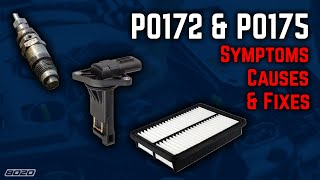
Shop the Parts Behind P0172
Below are the parts most often responsible for code P0172, ranked by how frequently each one is the actual culprit (per the diagnosis above). Tap any to see what we have for your vehicle.



The information in this article is provided for general reference and educational purposes only. Vehicle specifications, procedures, and part compatibility can vary by production date, trim level, and region. Always consult your vehicle's factory service manual and verify part numbers before purchasing or performing repairs. Safety-critical components such as airbags, seat belts, and braking systems should be installed by a qualified professional.
- 🧭 Diagnostic Flowchart
- 🎬 Helpful Videos
- 🛍️ Shop This Part
- What Does P0172 Mean?
- Can I Drive With P0172?
- Common Causes
- Symptoms
- Common Fixes & Costs
- Used vs. New Parts: Buying Guide
- What Happens If You Wait — Timeline
- Cost of Not Fixing It
- Diagnosis Steps
- When This Code Triggers (Freeze-Frame Conditions)
- Related Codes
- Climate & Environmental Factors
- How to Talk to a Mechanic About This Code
- Where to Take It: Dealer vs Independent vs Chain
- When to Walk Away From the Repair
- What Scan Tool You Need for This Code
- How to Clear the Code After You Fix It
- Will This Fail Emissions / State Inspection?
- Most Commonly Affected Vehicles
- Manufacturer-Specific Notes
- Real Owner Stories
- 2018 Honda CR-V 1.5T at 36K miles
- 2012 Subaru Outback 2.5L
- 2009 Nissan Frontier
- How to Prevent This Code From Triggering
- Frequently Asked Questions
- What is 'Bank 1'?
- What is the most common misdiagnosis for P0172?
- I have P0172 and P0175 at the same time. What does that mean?
- I just replaced my O2 sensor and the P0172 code came back. Why?
- My car runs rough and has P0172, but only at idle. What should I check?
- Can a bad spark plug or vacuum leak cause P0172?
- Will P0172 clear itself?
- What's the biggest risk of not fixing P0172?
- Key Takeaways